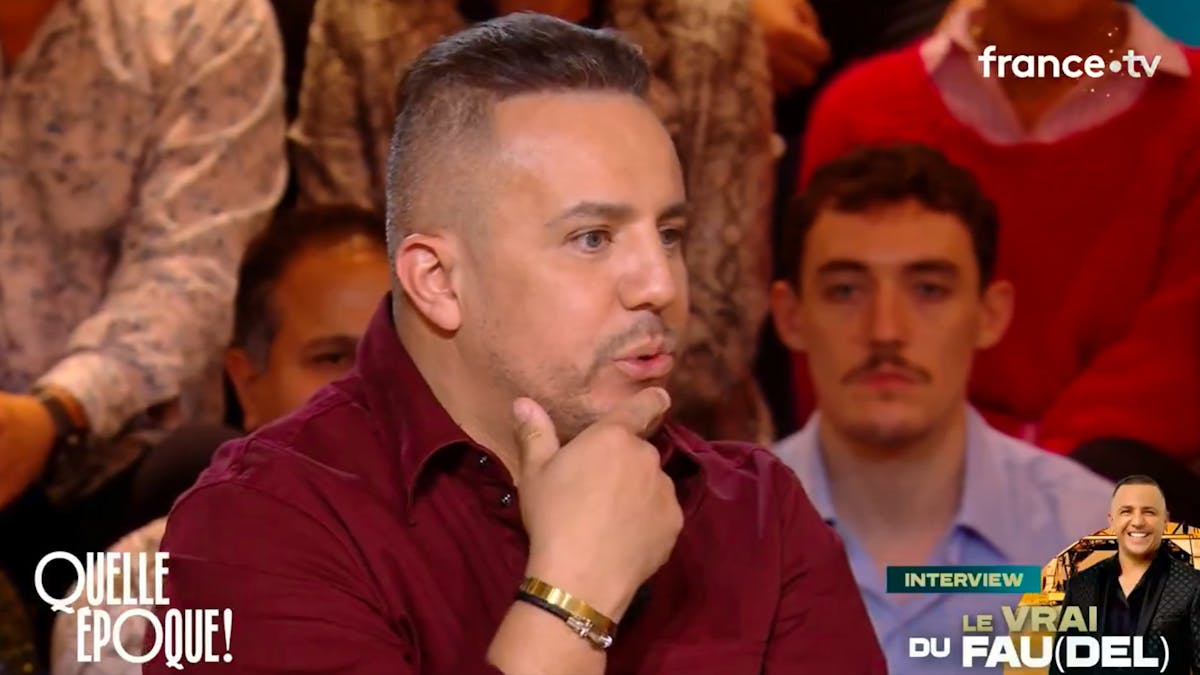
Faudel Breaks Silence: Palmade's Racist Jokes at Enfoirés Sparked Goldman's Fury
In a series of recent, candid interviews, French singer Faudel has peeled back the curtain on his brief and profoundly disillusioning experience with Les Enfoirés, the beloved charity supergroup supporting Les Restos du Cœur. His revelations, particularly concerning alleged racist jokes made by comedian Pierre Palmade and the subsequent intervention by music icon Jean-Jacques Goldman, have sent ripples through the entertainment world, highlighting the often-stark contrast between public perception and behind-the-scenes realities. More than two decades after his single appearance, Faudel's truth-telling sheds light on moments that ultimately shaped his career trajectory and personal life, leading to significant sacrifices and even exile.
A Dream Tarnished: Faudel's Fleeting Encounter with Les Enfoirés
For many French artists, an invitation to join Les Enfoirés is a badge of honor, a chance to contribute to a vital cause that provides food and assistance to those in need. For Faudel, this invitation in 2001, extended by none other than Jean-Jacques Goldman, carried an even deeper resonance. At just 22 years old, the young singer was set to participate in "L’Odyssée des Enfoirés," an experience that should have been a pinnacle of his blossoming career. What made this opportunity particularly poignant for Faudel was his personal history: as a child in the 1990s, he had himself benefited from the very charity he was now joining, with his father taking him to eat at Les Restos du Cœur.
This deep, personal connection created high expectations for Faudel. He envisioned a camaraderie, a shared commitment to compassion that mirrored the charity's public image. However, the reality he encountered backstage proved to be a harsh awakening. The stark contrast between his cherished childhood memories of receiving help and the atmosphere he describes within the famous troupe laid the groundwork for a profound sense of discomfort and disillusionment.
The Uncomfortable Truth: Pierre Palmade's "Blagues Racistes"
The core of Faudel's discomfort, as he courageously revealed in interviews with outlets like Paris Match and on France 2's "Quelle époque," stemmed directly from the behavior of fellow artist Pierre Palmade. Faudel explicitly stated, "I didn't feel like I belonged. I was watched, observed. Pierre Palmade was making racist jokes." This was not merely a case of differing humor; for Faudel, these "blagues racistes" were deeply unsettling, especially within the context of a humanitarian effort. To be subjected to such comments in a space dedicated to inclusivity and aid, particularly given his background and his personal experience with the charity, created an almost unbearable tension.
Faudel’s account suggests a significant disconnect between the public-facing altruism of Les Enfoirés and the less charitable atmosphere backstage. The feeling of being "watched, observed" implies an environment where he felt scrutinized and perhaps even alienated. For an artist who had such a profound, positive memory associated with the charity, this backstage reality was not just disappointing; it was, as he put it, "disgusting" and a far cry from what he had imagined. This brave public statement from Faudel underlines the critical importance of integrity and respect, even within well-intentioned organizations, and serves as a powerful reminder that the personal experiences of individuals must always be held paramount.
Goldman's Decisive Intervention: A Stand for Respect
Amidst this escalating discomfort, one figure emerged as a beacon of support for Faudel: Jean-Jacques Goldman. Known for his unwavering integrity and leadership, Goldman, the architect of Les Enfoirés, did not stand idly by. Faudel recounts Goldman’s immediate and forceful reaction to Palmade's behavior. Initially, Goldman "gently asked him to change his tone," indicating an attempt at a quiet resolution. However, when the remarks persisted, Goldman's patience wore thin. The situation escalated, culminating in a powerful confrontation.
Faudel vividly recalls the scene, likely taking place in a bus, where Goldman "told him off in front of me like a rotten fish. He said to him: 'Listen, what are you doing?'" This public dressing-down by Goldman was a clear and unequivocal defense of Faudel, signaling that such behavior would not be tolerated within the troupe. Goldman's intervention, demonstrating a commitment to creating a respectful environment, undoubtedly protected Faudel in that moment. However, despite Goldman's strong support, the damage was done. Faudel had already experienced a profound sense of alienation and opted to leave the troupe after just one participation, a decision that speaks volumes about the lasting impact of the incident.
Goldman's actions serve as a powerful example of leadership and the courage to confront injustice directly, even among peers. His readiness to challenge a fellow artist in defense of another highlights the moral compass that has defined his career and earned him widespread respect.
Beyond Enfoirés: The Ripple Effect and Faudel's Exile
Faudel's experience at Les Enfoirés was not an isolated incident but rather a significant turning point that contributed to a broader disillusionment with the public sphere. His candid reflections extend to his regrets regarding his political involvement during Nicolas Sarkozy's 2007 presidential campaign. He now dismisses that period as "bullshit," stating, "I shouldn't have been there because it wasn't my place... In France, politics doesn't work, you shouldn't go there because it's not our job. Today, I have a lot of hindsight. It's bullshit. The only, in inverted commas, stupid thing I could have done in life."
This political foray, coupled with the emotional toll of his Enfoirés experience, unleashed a torrent of negative consequences for Faudel. He received anonymous threats, experienced a profound sense of loss, and tragically, the repercussions extended beyond him to his family. "I received anonymous messages. My son was attacked several times because of this," Faudel revealed, underscoring the severe personal cost of his public choices. The impact on his **Fils De Faudel** was a direct and devastating consequence that forced a drastic decision. The singer found himself in an untenable position, feeling that he had "lost everything." Faced with a relentless barrage of threats and attacks affecting his loved ones, Faudel saw only one viable solution: "I had only one solution, which was to leave France."
This harrowing period ultimately led Faudel to relocate to Morocco, seeking peace and safety for himself and his family. His journey from celebrated artist to a figure embroiled in controversy and forced exile is a stark illustration of the intense pressures and unforeseen consequences that public figures, particularly those who dare to speak their minds or engage in political discourse, can face. It's a poignant narrative about the search for personal integrity and the sacrifices made to protect one's family when public life becomes unbearable. For more on his broader struggles, read about Faudel's Untold Story: Political Regrets, Threats, and Enfoirés Drama.
Conclusion
Faudel's recent revelations are more than just celebrity gossip; they are a powerful testimony about integrity, the often-murky realities behind public-facing endeavors, and the profound personal cost of speaking truth to power. His candid accounts of Pierre Palmade's racist jokes at Les Enfoirés and Jean-Jacques Goldman's admirable intervention highlight critical lessons about respect, accountability, and leadership within the entertainment industry. Furthermore, his story of threats, the impact on his **Fils De Faudel**, and his eventual exile to Morocco serves as a stark reminder of the intense pressures faced by public figures and the emotional and personal sacrifices that can accompany fame. Faudel’s courage in sharing his story, decades after the events, not only offers a new perspective on these high-profile figures but also underscores the enduring importance of authenticity and the deeply personal quest for peace and security in an increasingly scrutinized world.