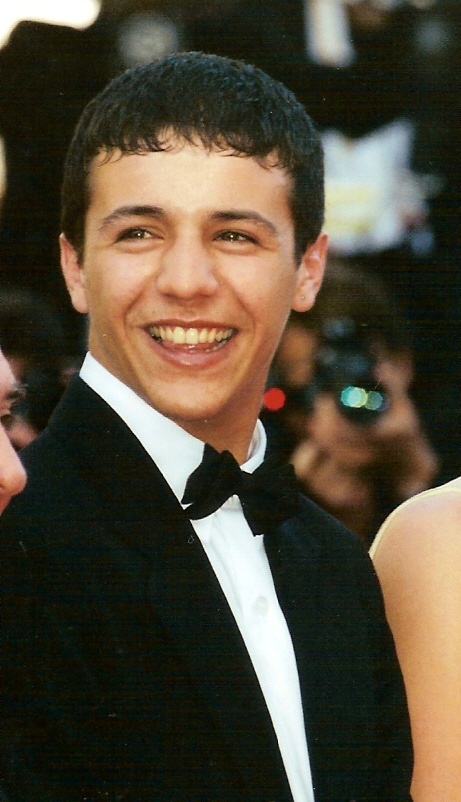
Faudel's Shocking Exile: When Political Support Becomes a Personal Nightmare
The bright lights of fame often cast long, unpredictable shadows. For beloved Franco-Algerian singer Faudel, known affectionately as the "little prince of Raï," his foray into the political arena during the 2007 French presidential campaign became a crucible that ultimately forced him to leave his home country. What began as a gesture of support for Nicolas Sarkozy spiraled into a harrowing ordeal of threats and attacks, culminating in the unimaginable: his own son, his
Fils De Faudel, becoming a target. This devastating turn of events drove Faudel to seek refuge and peace in Morocco, a poignant exile born from a parent's desperate need to protect their child.
Faudel's story is a stark reminder of the often-unforeseen consequences public figures face when they take a political stance. It’s a narrative that delves into the profound personal sacrifices made in the face of public scrutiny and, more disturbingly, outright aggression.
The Unforeseen Fallout of Political Endorsement
In 2007, Nicolas Sarkozy's presidential campaign garnered significant celebrity backing, and Faudel was among those who publicly lent their support. Looking back, Faudel admits his decision was less about deeply held political convictions and more about a personal connection and perhaps a naive understanding of the political landscape. "I met him, he was at rock bottom," Faudel recounted, referring to Sarkozy's position at the time. "He was in Neuilly, nobody knew him... I had nothing to do with politics. I don't even know how it works." This candid admission reveals a lack of political savviness, a sentiment he now views with considerable regret.
Years later, Faudel openly expressed his disillusionment with that period. "In France, it's complicated... Jay-Z, Obama goes to see him, he's cool, he's calm. In France, politics doesn't pass, you shouldn't go there because it's not our job. Today, I have a lot of hindsight. It's bullshit." He labels it "the only, in inverted commas, mistake I've made in my life." This profound regret stems not just from the public backlash he faced, but from the terrifying personal cost that followed. His experience serves as a cautionary tale for celebrities navigating the complex world of politics, particularly in a country where such endorsements can be deeply divisive.
The Heartbreaking Reason: Attacks on Faudel and His Son
The true tragedy of Faudel's situation lies in the escalating threats and violence that targeted him and his family. Following his political involvement, Faudel began receiving anonymous messages, menacing and disturbing. While facing personal threats is a heavy burden for any public figure, the situation became unbearable when the aggression extended to his son. "I was really in a bad way, I received threats. I lost everything!" Faudel revealed. "I received anonymous messages. My son was assaulted several times because of this."
Imagine the terror a parent feels when their child is targeted due to their own actions, however well-intentioned. The repeated assaults on his
Fils De Faudel were the ultimate breaking point. This wasn't merely about career setbacks or public opinion; it was about the fundamental safety and well-being of his child. Faudel articulated the crushing weight of this reality: "I had my back against the wall, I only had one solution, and that was to leave France." The decision was clear, agonizing, but necessary. For the "little prince of Raï," the call of family safety superseded everything else.
The psychological toll of such an ordeal is immense. Living with constant fear for yourself and, more critically, for your children, can shatter one's sense of security and belonging. For Faudel, France, the country where he built his career and raised his family, transformed from a home into a place of danger. The attacks on his
Fils De Faudel forced him to make an impossible choice: his career and life in France, or his family's peace and safety elsewhere.
Seeking Solace and Safety in Morocco
Driven by an absolute necessity to protect his family, Faudel made the difficult decision to exile himself to Morocco. For many individuals with North African roots, Morocco often represents a place of cultural connection, warmth, and relative peace. For Faudel, it became a sanctuary, a place where he could escape the relentless pressure and threats that had plagued his life in France.
His move to Morocco wasn't just a geographical change; it was a profound personal transformation, a quest for healing and a return to a more secure existence. In Morocco, Faudel could hope to rebuild a life free from the constant fear of aggression, especially for his son. This radical step underscores the immense sacrifices celebrities sometimes make to safeguard their personal lives from the darker side of fame and public scrutiny. It speaks volumes about a parent's unwavering dedication to their child's safety and well-being, even if it means leaving everything familiar behind.
A Pattern of Disillusionment: The Enfoirés Incident
Faudel's harrowing experience with political fallout wasn't an isolated incident of disillusionment within the French public sphere. Earlier in his career, he had a similarly brief and troubling encounter with the popular French charity concert, "Les Enfoirés." Recruited in 2001 by Jean-Jacques Goldman himself, Faudel, then only 22, joined the troupe for "L'Odyssée des Enfoirés." However, his experience was short-lived and deeply unpleasant.
Faudel revealed in recent interviews that he "didn't feel at home" and "was watched, observed." The primary cause of his discomfort stemmed from comedian Pierre Palmade, who reportedly made "racist jokes." This was particularly jarring for Faudel, who recalled his own father taking him to eat at the Restos du Cœur (the charity Les Enfoirés supports) during his childhood in the 1990s. The contrast between his personal history with the charity and the reality of backstage racism was "violent."
Fortunately, Jean-Jacques Goldman, the founder of Les Enfoirés, intervened. Faudel recounted that Goldman "was there to defend me, and he really chewed him out in front of me." Despite Goldman's strong support, the incident ultimately led to Faudel's premature departure after just one participation. This episode, detailed further in our related article
Faudel Reveals Palmade's Racist Jokes at Enfoirés, Goldman Stepped In, highlights a broader sense of unease and not belonging that Faudel experienced in certain high-profile French contexts, further adding layers to his decision to seek peace elsewhere.
The Broader Implications: Celebrity, Politics, and Personal Cost
Faudel's journey, marked by political regret, threats, and a forced exile, offers a powerful narrative about the often-unseen costs of fame and public engagement. It prompts reflection on:
* **The Double-Edged Sword of Celebrity Endorsements:** While celebrities can amplify messages and reach wider audiences, their personal lives can become collateral damage in highly charged political environments.
* **The Responsibility of Public Figures:** Faudel's regret over his political involvement underscores the importance for public figures to fully understand the implications of their actions, not just for their careers but for their personal safety and that of their families.
* **The Sanctuary of Family:** Ultimately, Faudel's decision to leave France for Morocco was a testament to the primal instinct of a parent to protect their child. The safety of his
Fils De Faudel was non-negotiable, overriding any professional or personal ties to his homeland.
* **The Impact of Digital Aggression:** In an age of instant communication, threats and harassment can proliferate rapidly, making it even harder for public figures to shield themselves and their loved ones.
Faudel's candid revelations provide a rare glimpse into the profound personal sacrifices demanded by public life. His story is not just about a singer who left France; it’s about a father who made the ultimate sacrifice for his child. For a deeper dive into Faudel's broader challenges and insights, you can read our article
Faudel's Untold Story: Political Regrets, Threats, and Enfoirés Drama.
Conclusion
Faudel's exile to Morocco is a sobering tale of how a public figure's seemingly innocuous political gesture can unravel into a personal catastrophe. The repeated attacks and threats, particularly those targeting his
Fils De Faudel, left him with no alternative but to uproot his life and seek safety abroad. His journey underscores the immense pressures and often brutal realities faced by those in the public eye, revealing the profound personal costs of fame and political engagement. While his music once brought joy to millions, his story now serves as a poignant reminder that for some, the greatest sacrifice is made not for art, but for the fundamental security and well-being of family. Faudel found his peace and protection in Morocco, a stark testament to the lengths a parent will go to shield their children from harm.